Marrakech Typography Wallpaper
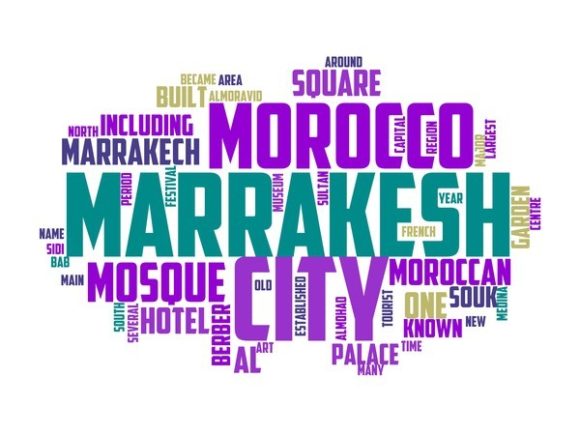
If you’ve ever flipped through a vibrant Moroccan textile, admired hand-painted café signs in the Medina, or felt inspired by sun-drenched souks filled with pattern and poetry—you’ll instantly connect with Marrakech Typography Wallpaper. It’s not just a digital background. It’s a visual mood board: rich in warmth, rhythm, and cultural resonance—crafted as a hand-drawn, colorful wordcloud where every word flows like calligraphy, yet feels modern and approachable.
What Makes This Wallpaper Special?
Unlike generic clipart or sterile vector fonts, Marrakech Typography Wallpaper blends artisanal charm with practical versatility. Each letter is drawn by hand—not scanned, not auto-traced—and arranged organically to form a dense, joyful cloud of meaningful words: “adventure”, “saffron”, “sunrise”, “zellige”, “mint”, “wander”, “spice”, “light”, “ritual”, “ceremony”. The palette leans into terracotta, cobalt, saffron, olive, and rose—colors pulled straight from Marrakech’s walls, tiles, and textiles.
This isn’t decorative noise. It’s intentional design: legible at a glance, layered enough for texture, balanced enough to rest the eye. Because it’s built as a seamless repeat pattern, it scales beautifully—from a tiny tag on a handmade soap bar to a full-wall mural in a boutique café.
Why People Reach for This Design
Creators often face the same quiet challenge: how to communicate feeling—not just function. A wellness coach wants her journal covers to whisper calm. A small-batch ceramicist needs packaging that tells a story before the box is even opened. A teacher designing classroom posters wants students to feel invited, not instructed. Marrakech Typography Wallpaper answers those needs without demanding design expertise.
It works because it carries emotional weight *and* structural flexibility. You don’t need to know kerning or color theory to use it well. Its warmth invites participation—even beginners can crop a corner for a postcard, overlay it softly behind a quote for an Instagram graphic, or reverse out text for a bold t-shirt print.
Real Ways It Fits Into Everyday Making
Here’s where it shines—not as a “one-off download”, but as a living design element:
- Clothing & accessories: Print it on cotton tote bags for a pop-up market stall—or scale it down for delicate embroidery transfers on linen headbands.
- Home décor: Use it as wallpaper for a feature wall in a reading nook, or resize it to fit inside a floating frame as minimalist art above a bed.
- Paper goods: Layer it beneath handwritten names on wedding invitations, or set it as a subtle watermark behind workshop handouts for educators.
- Digital + print hybrids: Turn a section into a sticker sheet for planners, then reuse the same snippet as a social media banner background—keeping your brand voice cohesive across formats.
- Product packaging: Apply it to tea box wraps, candle labels, or notebook spines—giving mass-produced items the soul of something made slowly, by hand.
Even if you’re not printing anything at all, it’s a powerful creative prompt. Open the file in Canva or Illustrator, mute one color channel, and suddenly you’ve got a monochrome version perfect for screen-printing. Duplicate the layer, blur slightly, and drop it behind clean sans-serif type—it becomes instant depth.
Thoughtful Things to Keep in Mind
Before diving in, consider three gentle realities:
- Licensing matters. Most versions are licensed for personal *and* commercial use—but always double-check the terms. If you’re selling 500 limited-edition scarves, confirm the license covers physical product runs at that scale. Some creators offer extended licenses for larger businesses; others include attribution requirements for free versions.
- Color shifts happen. That gorgeous burnt-orange on your screen may look deeper (or lighter) when printed on natural cotton vs. glossy poster paper. Always order a test swatch or run a small proof first—especially for apparel or packaging.
- Simplicity serves clarity. Because the wordcloud is intentionally rich, avoid stacking too many other visual elements on top. Let it breathe. Try pairing it with generous white space, a single line drawing, or just one accent color repeated elsewhere in your layout.
Where It Fits in Your Creative Journey
Whether you’re sketching ideas in a Moleskine, launching your first Etsy shop, or redesigning your school’s literacy fair banners—Marrakech Typography Wallpaper meets you where you are. It doesn’t ask you to master Arabic script or replicate centuries-old tilework. Instead, it offers a respectful, joyful echo of that aesthetic language—translated into tools you can hold, edit, share, and adapt.
Teachers use it to create culturally responsive vocabulary posters. Bloggers weave snippets into Pinterest pins about slow travel or mindful living. Crafters trace words onto leather journals or press them into clay for custom jewelry stamps. Small roasters print it on kraft coffee bags to signal origin and intention—not just beans and brew notes.
And yes—it works digitally too. Set it as your Zoom background for a virtual workshop on creativity. Use it as a textured base for Canva templates you sell in your Creative Market shop. Or simply save a cropped version as your phone lock screen when you need a reminder that beauty lives in detail, rhythm, and meaning.
A Final Note on Intention
Great design doesn’t shout. It resonates. Marrakech Typography Wallpaper succeeds because it balances authenticity with accessibility—honoring its roots while leaving room for your voice. It’s not about copying a place. It’s about carrying forward a feeling: grounded, vivid, human-scaled, quietly confident.
So whether you’re stitching words onto a pillow, drafting a launch email, or brainstorming your next collection—let this wallpaper be more than decoration. Let it be your starting point, your texture, your quiet collaborator.