Jewellery Typography Sublimation: Design with Meaning, Not Just Sparkle
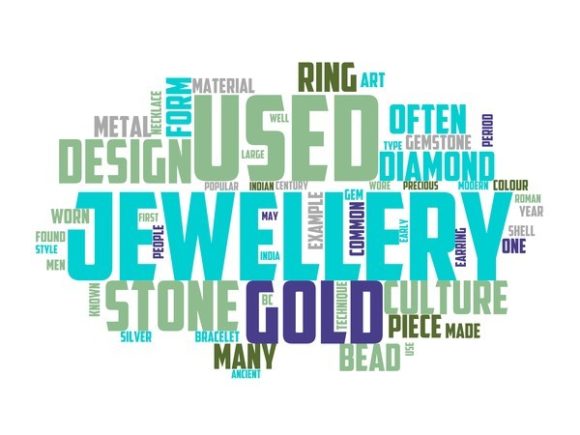
Imagine a hand-drawn wordcloud—vibrant, organic, full of warmth—where words like “forever,” “grace,” “bold,” and “soul” swirl together in watercolour blues, rose gold ink, and soft charcoal lines. Now picture that same design transferred flawlessly onto a silk scarf, etched into a sterling silver pendant, or printed on a ceramic mug that holds morning coffee. That’s the quiet power of Jewellery Typography Sublimation: not just decoration, but intention made visible through heat-activated transfer technology.
Unlike standard print-on-demand or vinyl cutting, sublimation embeds dye directly into polyester fibres or coated substrates—so text and illustrations don’t sit *on top*, they become part of the material. When applied to jewellery components (like enamel-coated pendants, resin charms, or anodised aluminium tags), it delivers crisp, fade-resistant typography with subtle texture and depth. It’s why creators choose it for meaningful pieces: wedding keepsakes, affirmation bracelets, boutique gift tags, or even custom packaging inserts that reflect brand voice—not just logo placement.
Assume It Works the Same Way on All Surfaces? Think Again
A common misstep is treating Jewellery Typography Sublimation as a universal “plug-and-play” solution. It isn’t. Sublimation requires specific material compatibility—most metals used in jewellery need a polymer coating to accept the dye; uncoated brass or raw silver won’t hold colour. Likewise, cotton-based fabric patches or natural-fibre ribbons won’t work unless blended with at least 65% polyester. Skipping this check leads to faded, patchy, or completely invisible results—even with premium designs.
For example, one small-batch accessory maker ordered a set of hand-drawn typographic wordcloud PNGs expecting to sublimate them onto linen tote bags. Without realising the fabric lacked sufficient polyester content, she spent hours pressing only to find faint ghosting where bold letterforms should have popped. The fix? Switching to a poly-cotton blend bag—or using the same artwork with screen printing instead. Knowing your substrate first saves time, materials, and client trust.
Downloading High-Res Files ≠ Ready-to-Sublimate
Many designers offer beautiful hand-drawn wordclouds in high-resolution PNG or JPEG formats—but resolution alone doesn’t guarantee sublimation readiness. What matters more is colour mode, bleed, and edge clarity. RGB files often shift hue under heat; CMYK may lack vibrancy. And if the artwork includes fine script or delicate connectors between words (common in jewellery typography), low-DPI exports or compressed web files will blur those details during transfer.
Better approach: Look for vector-based EPS or SVG options when possible—or at minimum, 300 DPI PNGs with transparent backgrounds and embedded colour profiles (sRGB recommended for most sublimation printers). Test a small batch before committing to full production. Print a sample on sublimation paper, press it onto a test tile, then examine under natural light: do the curves stay smooth? Do overlapping letters retain separation? If edges look fuzzy or colours mute, revisit the source file—not your press settings.
Overlooking Heat, Time, and Pressure Balance
Even perfect artwork fails without precise application. Jewellery Typography Sublimation thrives on consistency: too little heat or time = incomplete dye transfer; too much = bleeding, yellowing, or distortion—especially around thin strokes and tight word spacing. A pendant charm pressed at 190°C for 60 seconds might yield rich saturation, but the same settings on a textured ceramic coaster could scorch the coating or warp the image.
Realistic tip: Keep a simple log—material type, temperature, dwell time, pressure level, and visual result—for every new surface you try. Start with manufacturer-recommended defaults, then adjust in 5°C or 5-second increments. For intricate wordclouds with layered fonts and colour gradients, slightly longer dwell times (75–90 seconds) often improve fidelity—just ensure your press has even heat distribution across the platen.
Using Generic Fonts Instead of Hand-Drawn Authenticity
This isn’t about typography sublimation *in general*—it’s about Jewellery Typography Sublimation, where personality and tactility matter. Swapping a bespoke, hand-lettered wordcloud for a free Google Font version may save time, but it sacrifices emotional resonance. Consumers notice the difference between a carefully weighted “believe” drawn with ink and pressure, versus a digitally uniform one. In gifting, branding, or personalisation, that nuance affects perceived value—and willingness to pay.
If you're designing your own, sketch first on paper, scan at 600 DPI, then trace in vector software with attention to stroke variation and organic spacing. If sourcing, verify the creator uses original hand-drawn elements—not traced stock vectors. Look for subtle imperfections: slight tapering on terminals, irregular baseline rhythm, or intentional ink bleeds. Those are signatures of authenticity—not flaws.
What to Check Before You Buy or Apply
- Material specs: Confirm coating type (e.g., “sublimation-ready anodised aluminium”) and minimum polyester content for textiles.
- File format & prep: Ensure transparency support, correct DPI/resolution, and sRGB colour profile—not just “high-res.”
- Design density: Avoid overcrowded wordclouds for small jewellery items; scale down or simplify for pendants under 25mm.
- Printer compatibility: Match your sublimation printer’s ICC profile recommendations—especially for metallic or pastel tones.
- Licensing clarity: Commercial use rights must explicitly include physical product creation—not just digital display.
Whether you’re launching a mindful jewellery line, designing branded merchandise for a wellness retreat, or creating heartfelt gifts for loved ones, Jewellery Typography Sublimation bridges craft and communication. It invites intention into every transfer—not just what’s said, but how it feels to hold, wear, or give. Choose thoughtfully, test deliberately, and let the words you place carry the weight they deserve.